K-Pop Experience: Recording BTS "Come Over" at KING STUDIO
An ARMY recorded BTS "Come Over" at KING STUDIO one day after its release — a DIAMOND session built around the song's fast Korean phrasing.
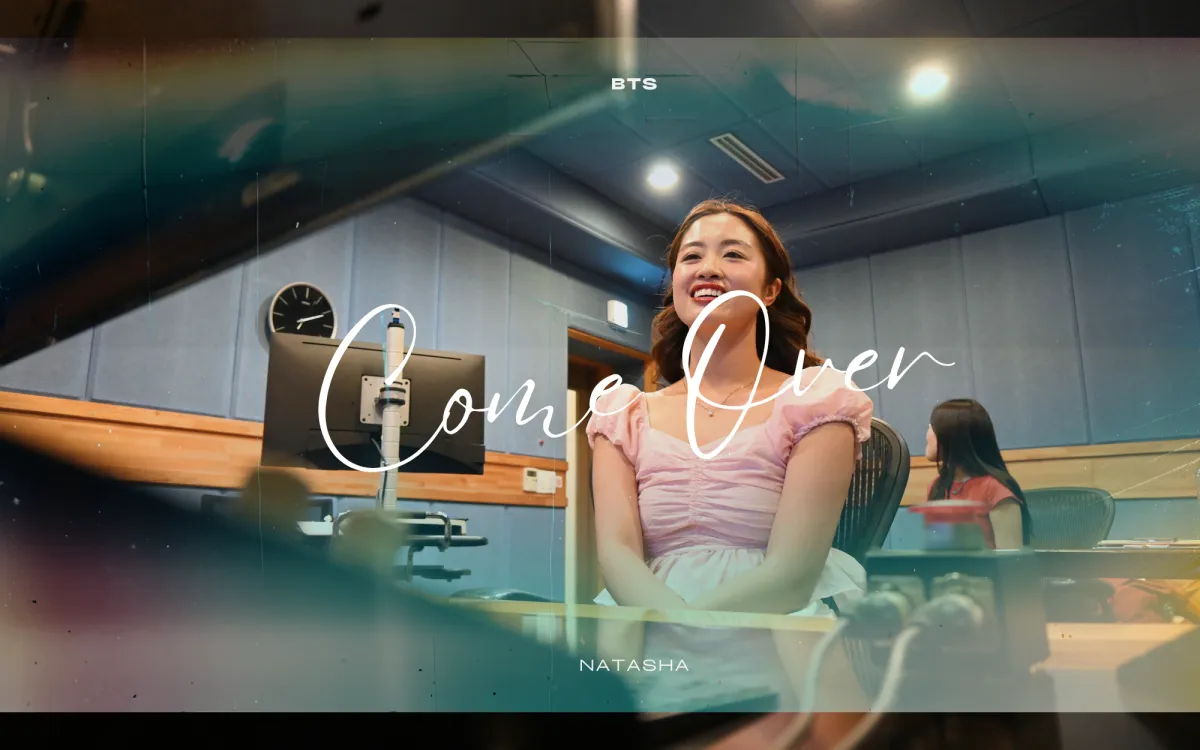
Can you record a BTS song in a professional Seoul studio the day after it comes out? Yes — this is the story of exactly that. On June 12, 2026, BTS released "Come Over" worldwide, and one day later a returning ARMY from the USA was in our Gangnam booth recording her own cover through the DIAMOND experience. Below is her full session, step by step: how we found her key for a song written for male voices, how the directing worked line by line, and where ARMY can go in Seoul around a session of their own. 🎤
- Why "Come Over" — One Day After Release
- Inside the DIAMOND Session: Step by Step
- BTS Spots in Seoul — KING STUDIO's Picks
- In Her Words
- KING STUDIO Services — Quick FAQ
Why "Come Over" — One Day After Release 💜
Some song choices take our guests weeks of deliberation. This one took about twenty-four hours.
Natasha is ARMY, and she timed this Korea trip around the biggest event on any ARMY's 2026 calendar: BTS's ARIRANG world tour dates in Busan, held at Busan Asiad Main Stadium on June 12 and 13 — the second date landing on the group's thirteenth debut anniversary. "Come Over" itself had an unusual road to release: it first appeared in April as an exclusive track on the deluxe vinyl of ARIRANG, co-produced by SUGA, and then arrived on global streaming platforms on June 12 as part of the 2026 BTS Festa — the same Friday the Busan shows began. By the next day, Natasha was in our booth in Gangnam, recording it.
Think about what that means for a cover recording. There were no vocal tutorials on YouTube yet. No fan-made line distributions, no "in the style of" karaoke instrumentals refined over months, no muscle memory built from a hundred listens on the commute. She was learning the song's shape almost in real time — which is a genuinely bold way to walk into a professional recording session, and honestly, a very ARMY way to do it. Most guests bring us songs they've loved for years; Natasha brought us a song the fandom was still hearing for the first time. Recording a cover while the rest of the world is on its first streams is its own kind of bragging rights — and it's the kind of session that only works when a studio can prepare a key-matched instrumental and a directing plan on twenty-four hours' notice.
It also meant the session had a real technical problem to solve, and she knew it going in. "Come Over" is a BTS song — written and produced for male voices. For Natasha, the original key sat very low. A bedroom cover can cheat around that; a booth recording on a professional chain cannot. The key question — literally, which key — became the first serious work of the day, and you'll see below how much of the session was built around solving it properly rather than forcing her voice into a range that would never flatter it.
And there was a third layer: this wasn't a first-timer feeling out the studio. This was her third DIAMOND-tier visit in about a year. She already knew the room, knew the workflow, and knew our lead producer Aiden from her previous sessions. What was new this time was the team — a vocal director she hadn't worked with before, and a fresh song that nobody on earth had covered yet. A familiar studio plus an unfamiliar challenge is, in our experience, the exact combination that produces the best sessions. Here's how this one went.
 KING STUDIO
Inside the DIAMOND Session: Step by Step 🎯
The DIAMOND experience is our full idol-style recording: your song, professional vocal directing, separately tracked parts, and a mixed and mastered take-home track. Below is Natasha's actual session, as it happened — every detail here comes from the session log, not a brochure.
Step 1 — Reunion at the front desk
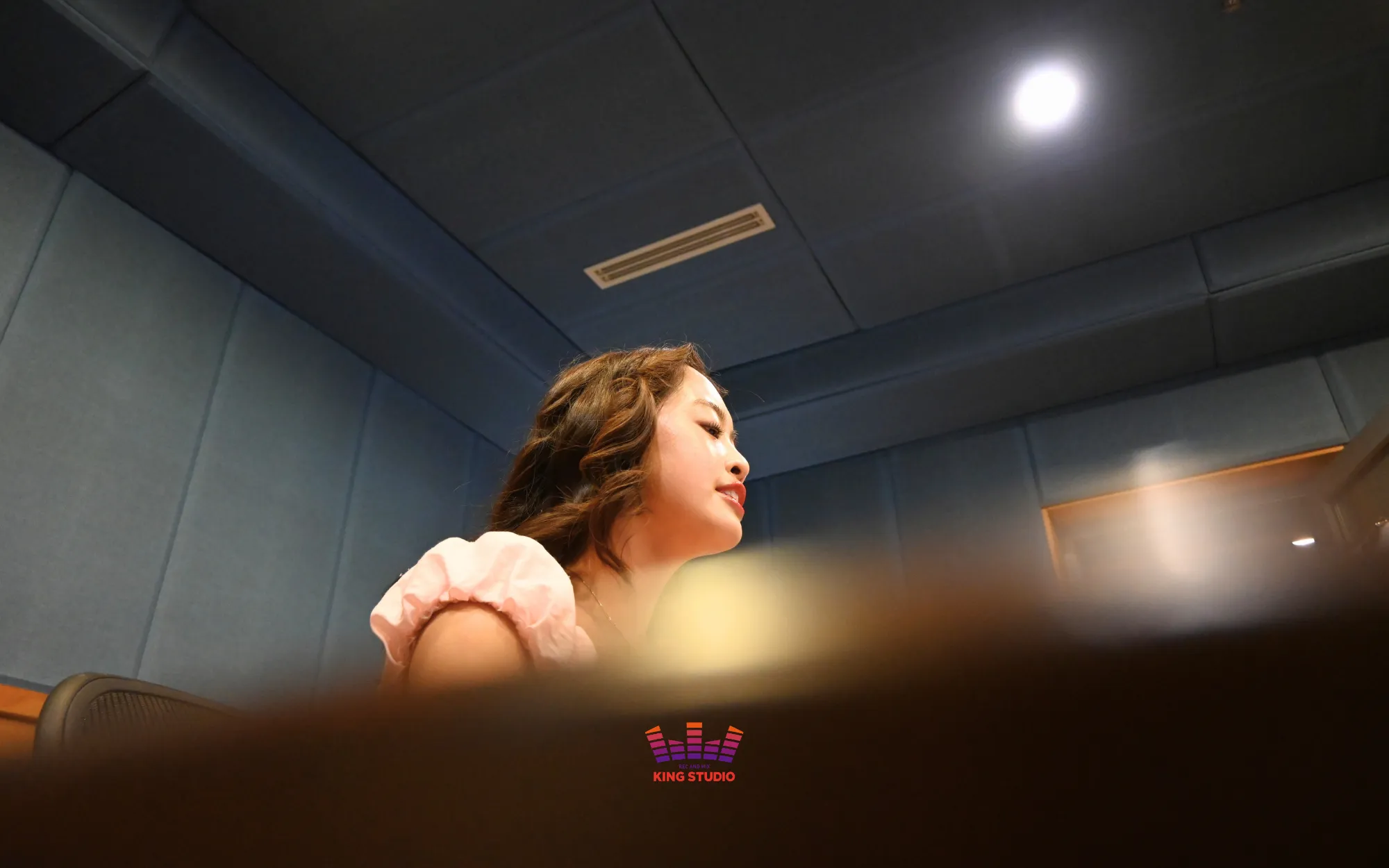
Natasha's third arrival at KING STUDIO felt less like a check-in and more like a reunion. Producer Aiden — who has kept in touch with her between visits — greeted her warmly for the first time in three months, and the catch-up happened before anyone touched a console. Then came the introductions that mattered for the day: vocal director Ji Seon, who would run the session, and manager Jinny, who would support throughout. For a returning guest, this handoff moment is deliberate. Aiden had directed her previous sessions himself, so he could brief the new team on her voice and history — meaning Ji Seon walked into Step 2 with a head start no first-visit guest gets. Three visits in roughly a year also changes the guest's side of the room: Natasha knew where to put her things, knew the rhythm of a session, and could spend her nerves on the song instead of the space.
Step 2 — Vocal analysis with a new director
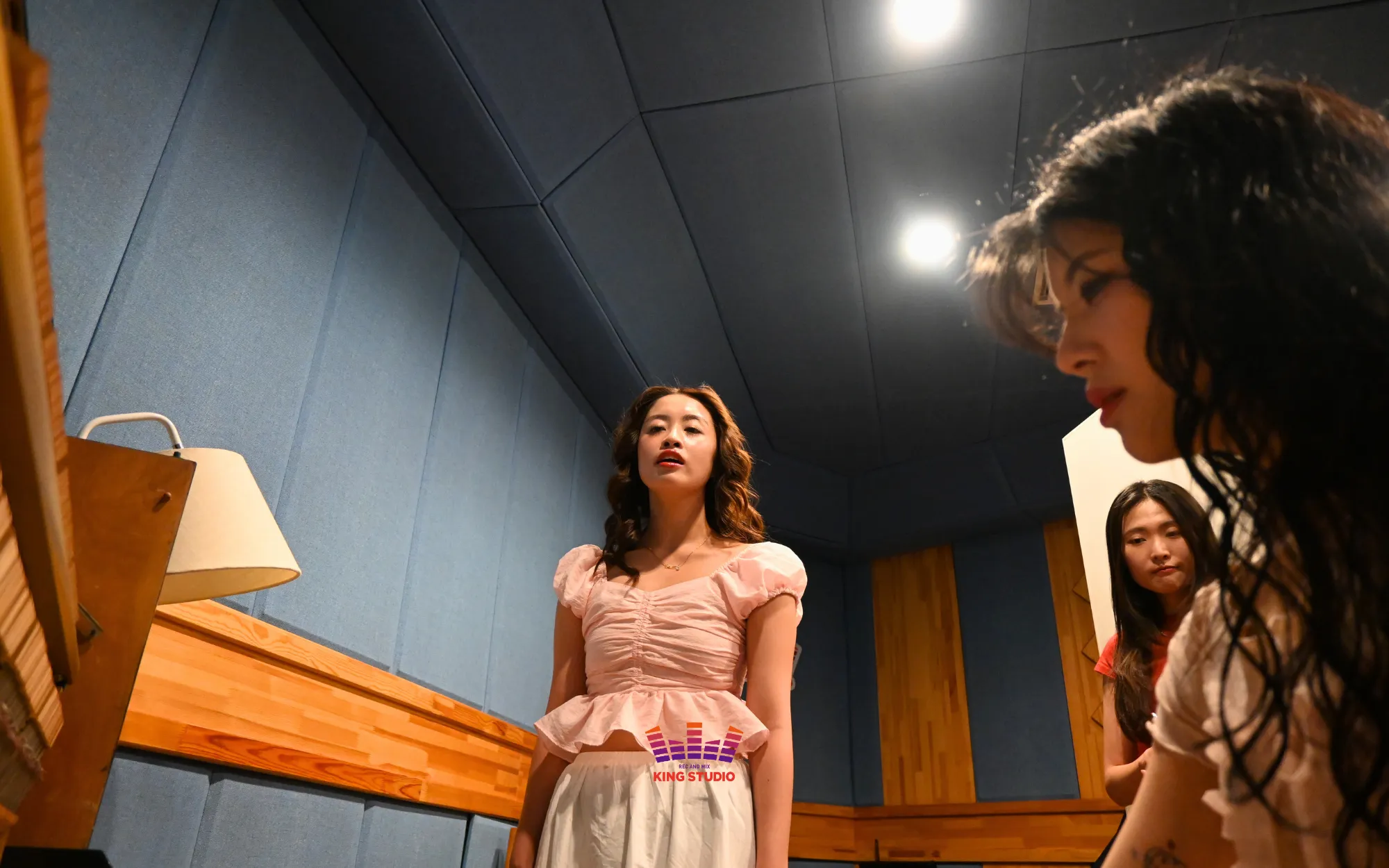
Because this was Ji Seon's first time directing Natasha, the session opened with a focused vocal training block built around the two things that decide whether a recording works: pitch and rhythm. This wasn't a generic warm-up — it was a working diagnosis.
Through targeted pitch and timing exercises, Ji Seon mapped Natasha's characteristics quickly: where her intonation sat, how she related to a beat, what her voice wanted to do naturally. Within this single block, a director who had never heard her sing before had a usable profile of her instrument, and that profile drove every directing call for the rest of the day.
It's also why the ninety-minute recording block later felt efficient rather than experimental — the guesswork had already been done here, on exercises, where a missed note costs nothing.
Step 3 — Finding her key (the real first challenge)
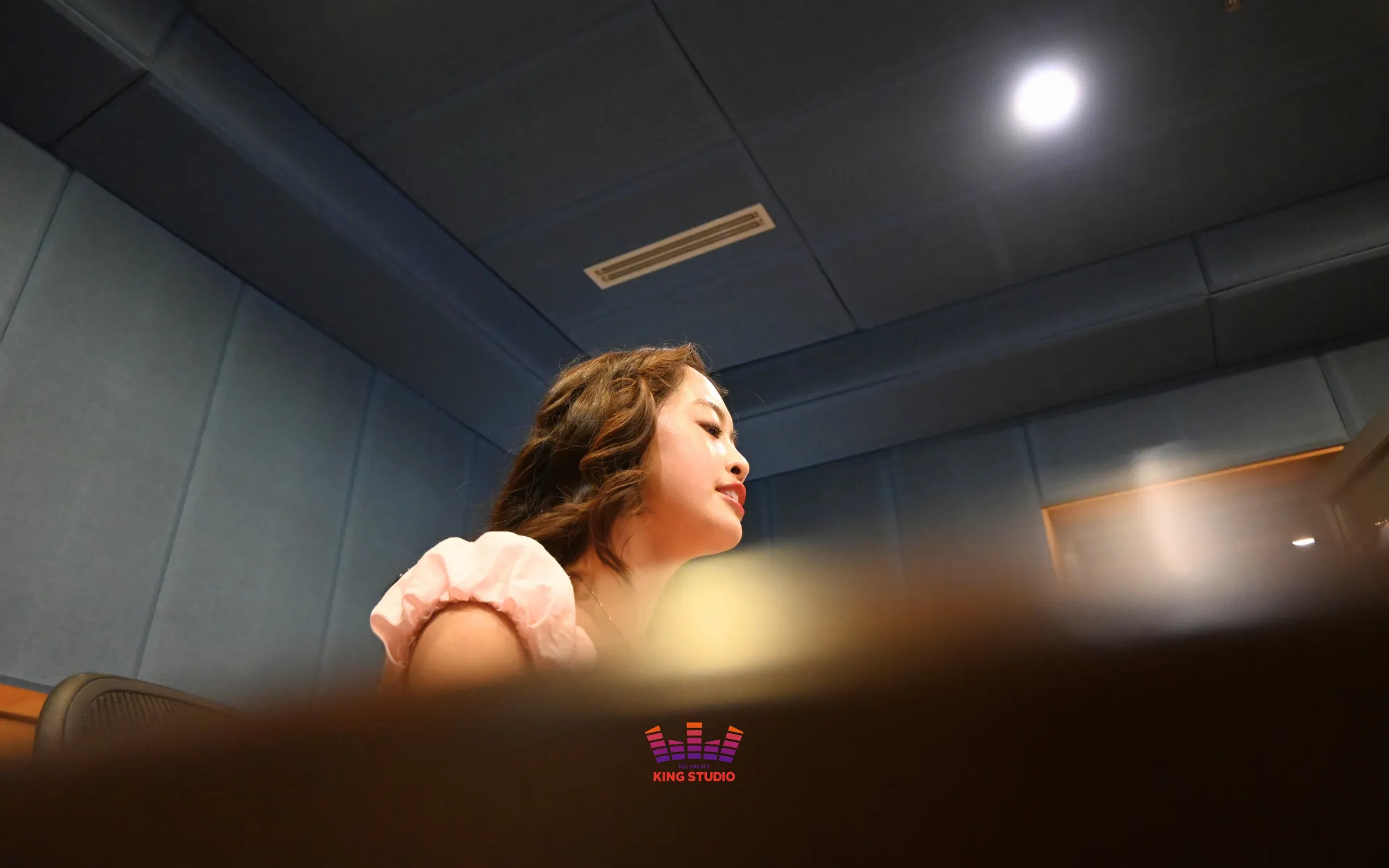
Then came the problem the whole session hinged on: "Come Over" is sung by a male group, and in its original key it sat far too low for Natasha's voice. So before any recording, Ji Seon ran a dedicated rehearsal pass with one goal — find the key in which Natasha sings this song best.
Not the key closest to the original, not the easiest key: the one where her voice actually shines. That distinction matters, because the three answers are usually different keys, and only one of them produces a track you'll still be proud of a year later.
The team treated this as the first critical milestone of the session — the memo from the day literally frames it as the most important early block — and it's a big part of what separates a DIAMOND session from singing along at a noraebang. Once the key was set, the instrumental was transposed to match, so everything recorded afterward was built around her voice, not the original singers'.
Step 4 — Building her monitoring mix
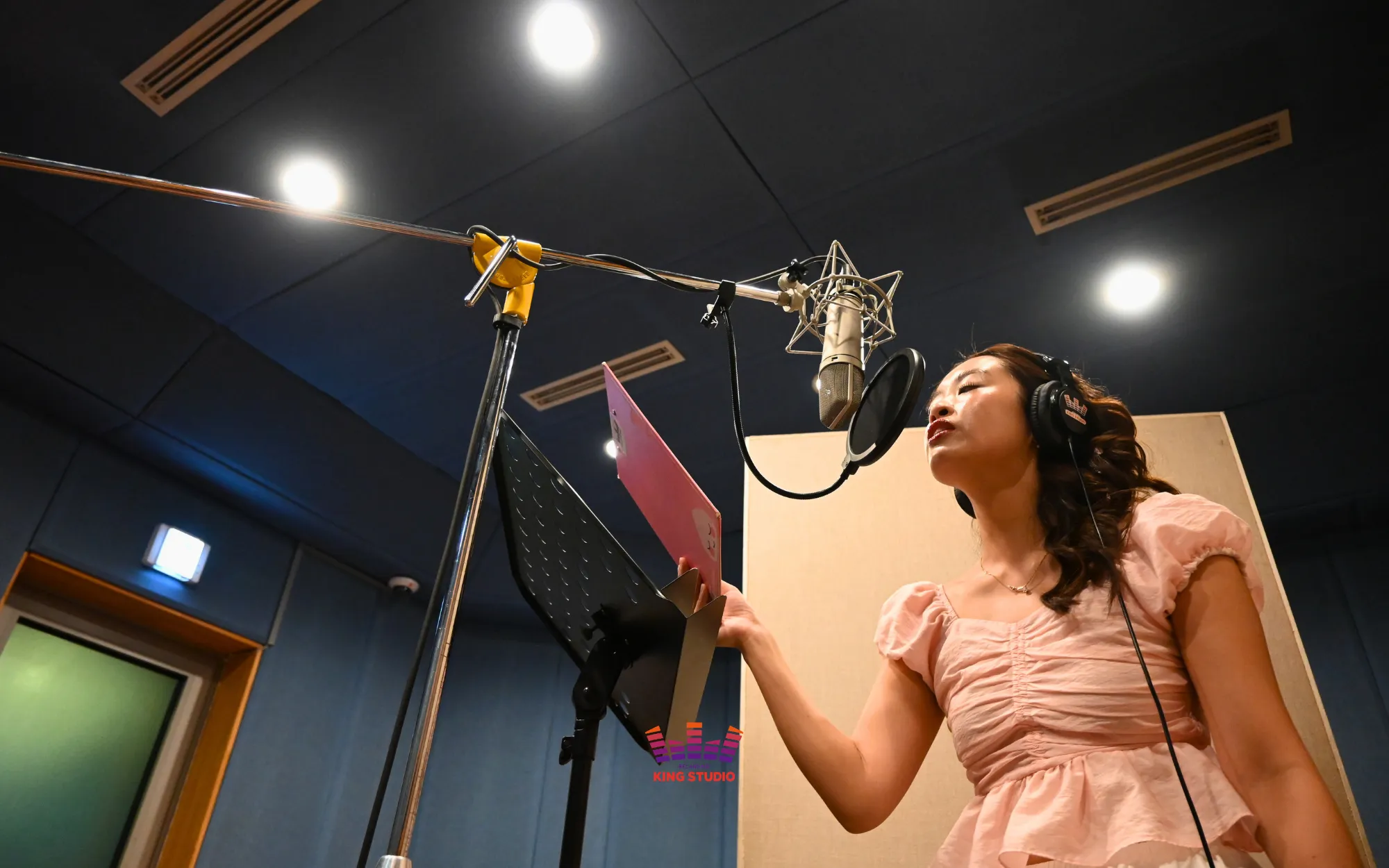
With the key locked, the next block was a full run-through rehearsal — but its real purpose was engineering, not singing. While Natasha sang the song top to bottom, the team balanced three things in her headphones: the instrumental, her own voice, and the reverb on it, adjusting between passes until she had her ideal monitoring environment. What you hear in your ears while recording shapes how you sing more than most first-timers expect: too little of your own voice and you push and strain; too much reverb and you drift off pitch without noticing. The full run-through format matters too — a verse-only check won't reveal how the mix feels in the loudest chorus or the quietest line, so the team heard her through the whole song before committing. This step exists so that when the red light comes on, the singer is working with the room instead of fighting it.
Step 5 — Ninety minutes of directing, line by line
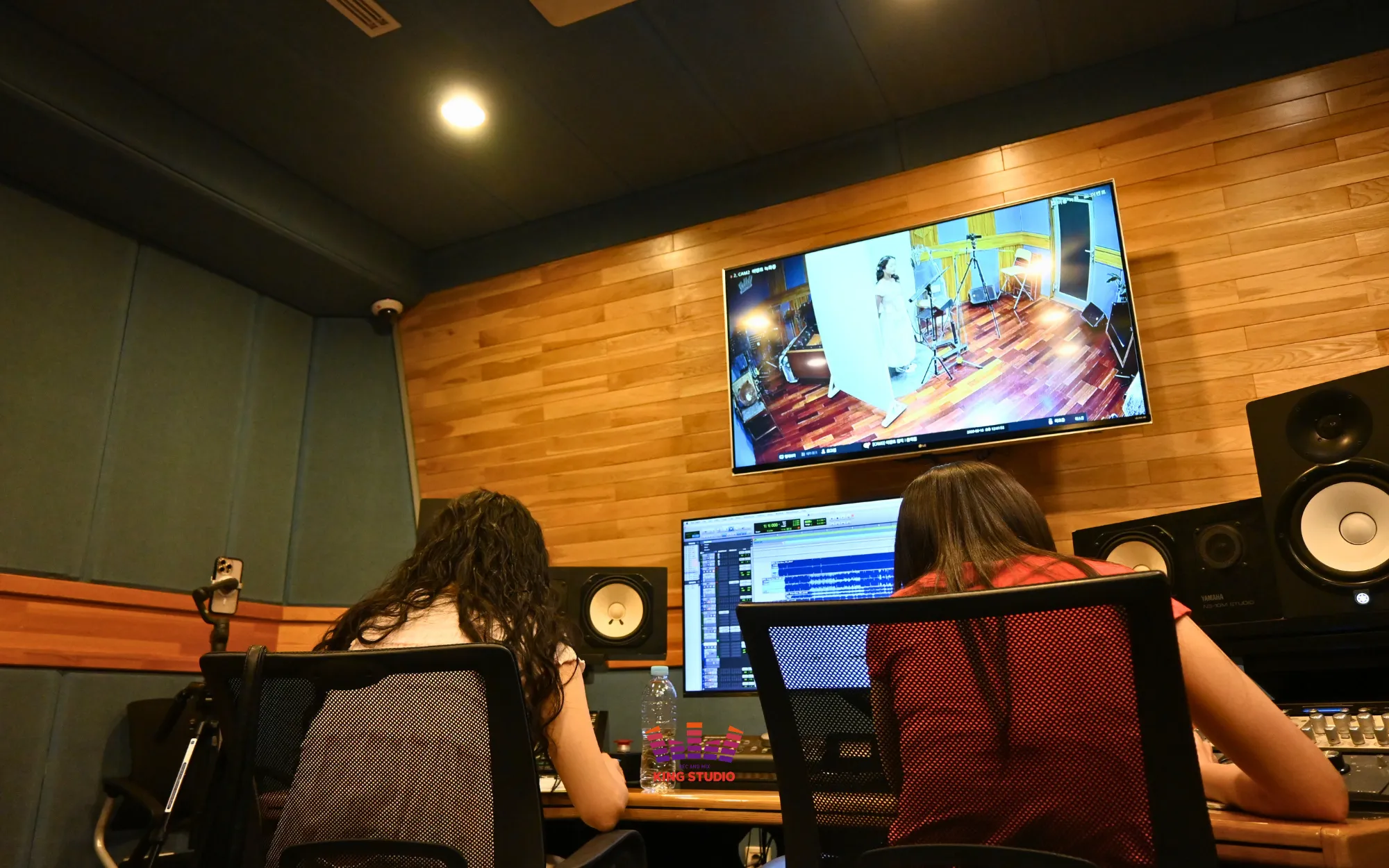
Then the core of the day: roughly ninety minutes of recording under Ji Seon's direction, tracked part by part in the idol style rather than in single full-song passes. She had analyzed the song section by section in advance — remarkable, given the song was a day old — and it showed. Her directing kept circling three things: the beat, the pitch, and the meaning of each lyric, which she would repeat back to Natasha line by line so the delivery carried the words and not just the notes. The asks were constant and specific — a phrase again for timing, a phrase again for intention — never the vague "one more time, with feeling." And whenever a Korean-language line came up, manager Jinny stepped in with continuous pronunciation correction, shaping consonants and vowels phrase by phrase before the next take. Two staff, two lanes — musical direction and language coaching running in parallel — on a song that had existed publicly for one day.
Step 6 — Listen-back at the Sweet Spot
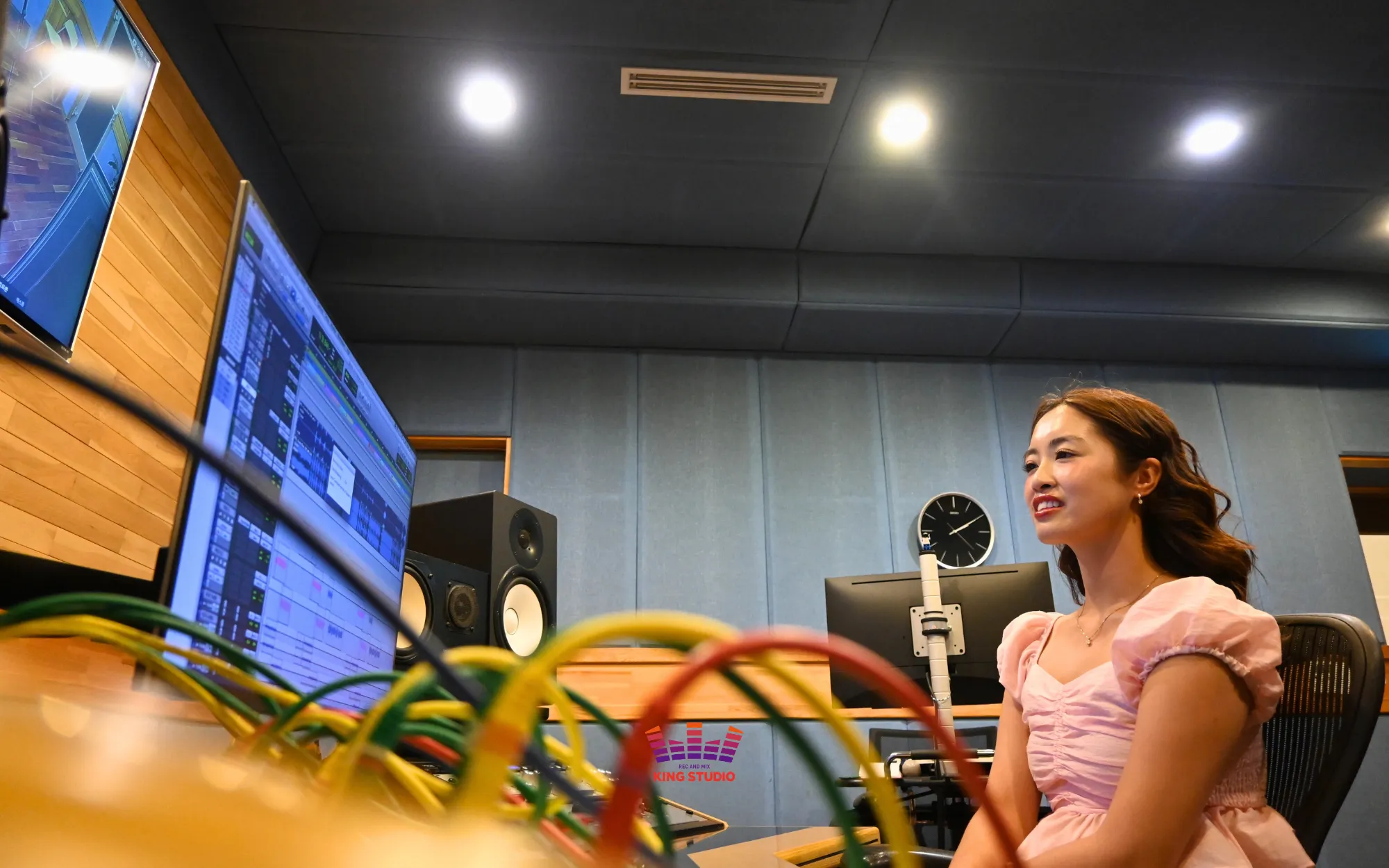
When the ninety-minute recording block wrapped, Natasha moved to the studio's final monitoring stage — this time seated at what we call the "Sweet Spot," the position with the best, most accurate monitoring environment in the entire studio. There's a reason the last listen happens there and not in the booth: it's the first time the guest hears the whole performance the way the engineers hear it, full-range and honest. Hearing your own voice on a professionally recorded BTS track from that chair is the emotional payoff of the day — the point where a stack of takes starts sounding like a track. From here, her recording moves into DIAMOND post-production — pitch and timing correction, mixing, and mastering — and the finished master file is hers to take home.
BTS Spots in Seoul — KING STUDIO's Picks ✨
These are our recommendations for ARMY visiting Seoul — not the route Natasha took on this trip.
Yoojung Sikdang
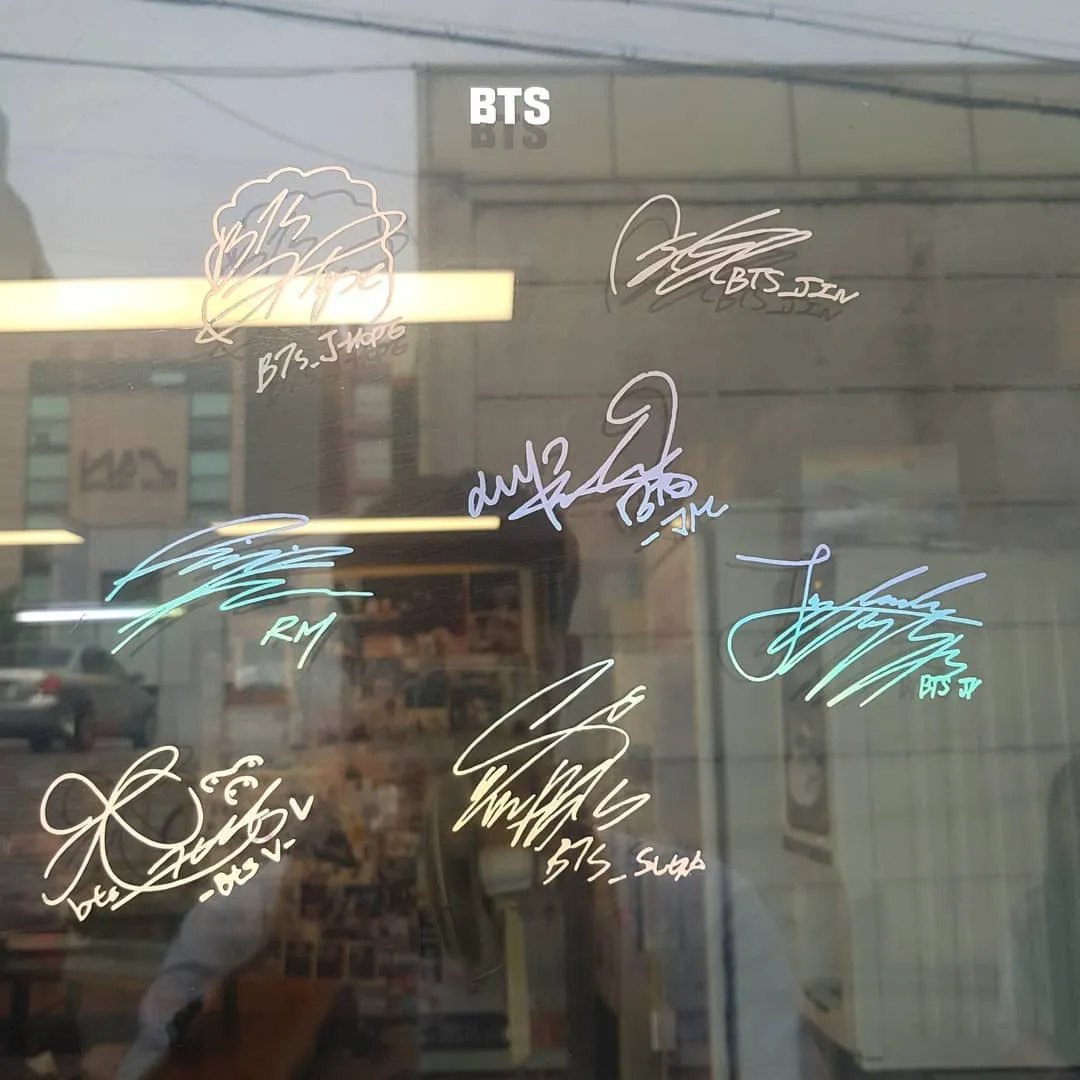
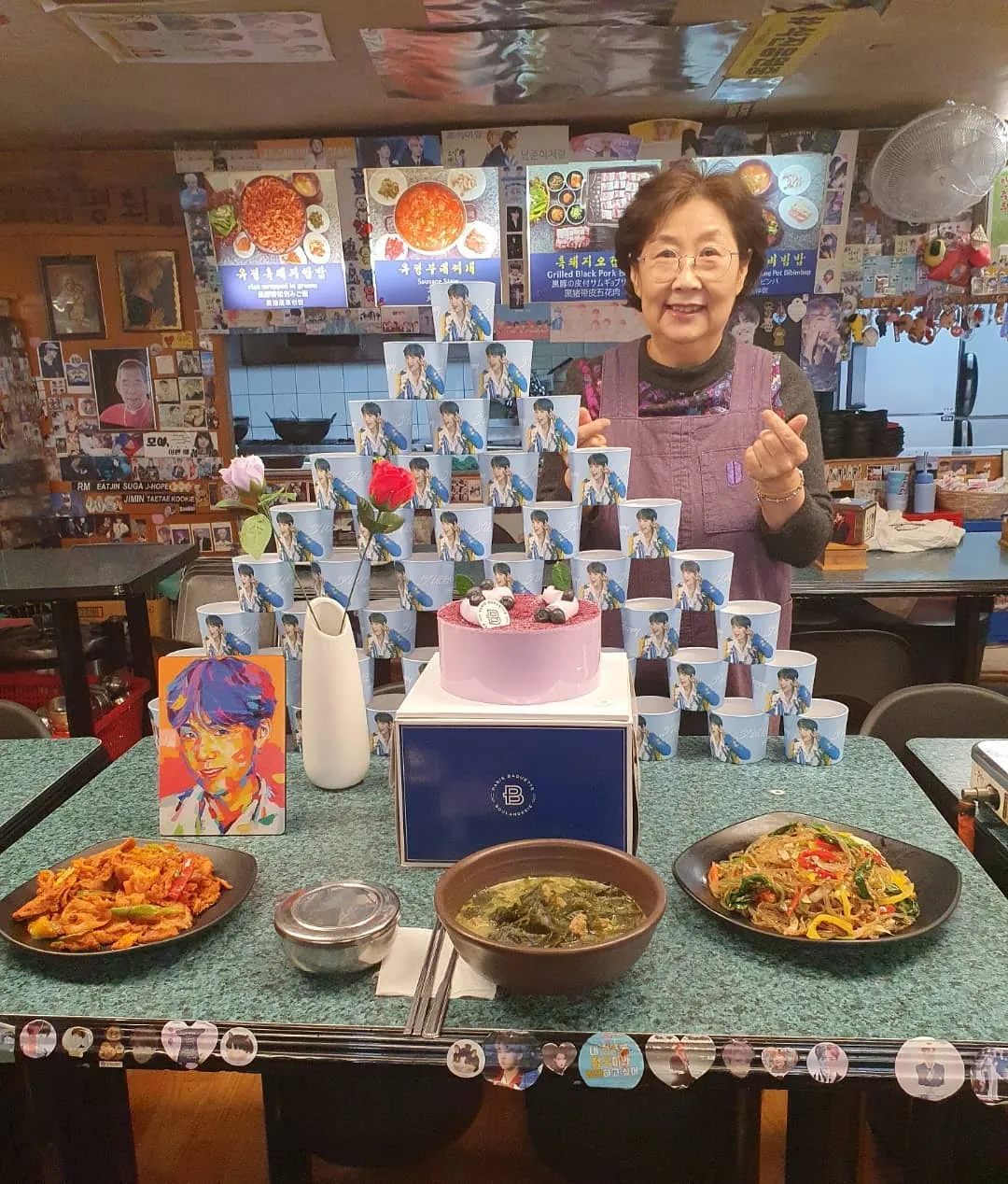

BTS Spots in Seoul - Yoojung Sikdang
Gangnam. BTS's trainee-era regular restaurant; walls covered in memorabilia. Weekdays outside the 12–2 PM rush; roughly $8–15 USD per person; ~10 minutes by taxi from KING STUDIO.
📍Address (Google) : 14, Dosan-daero 28-gil, Gangnam-gu, Seoul
📍Address (Naver) : 서울특별시 강남구 도산대로28길 14
K-Star Road (BTS GangnamDol)
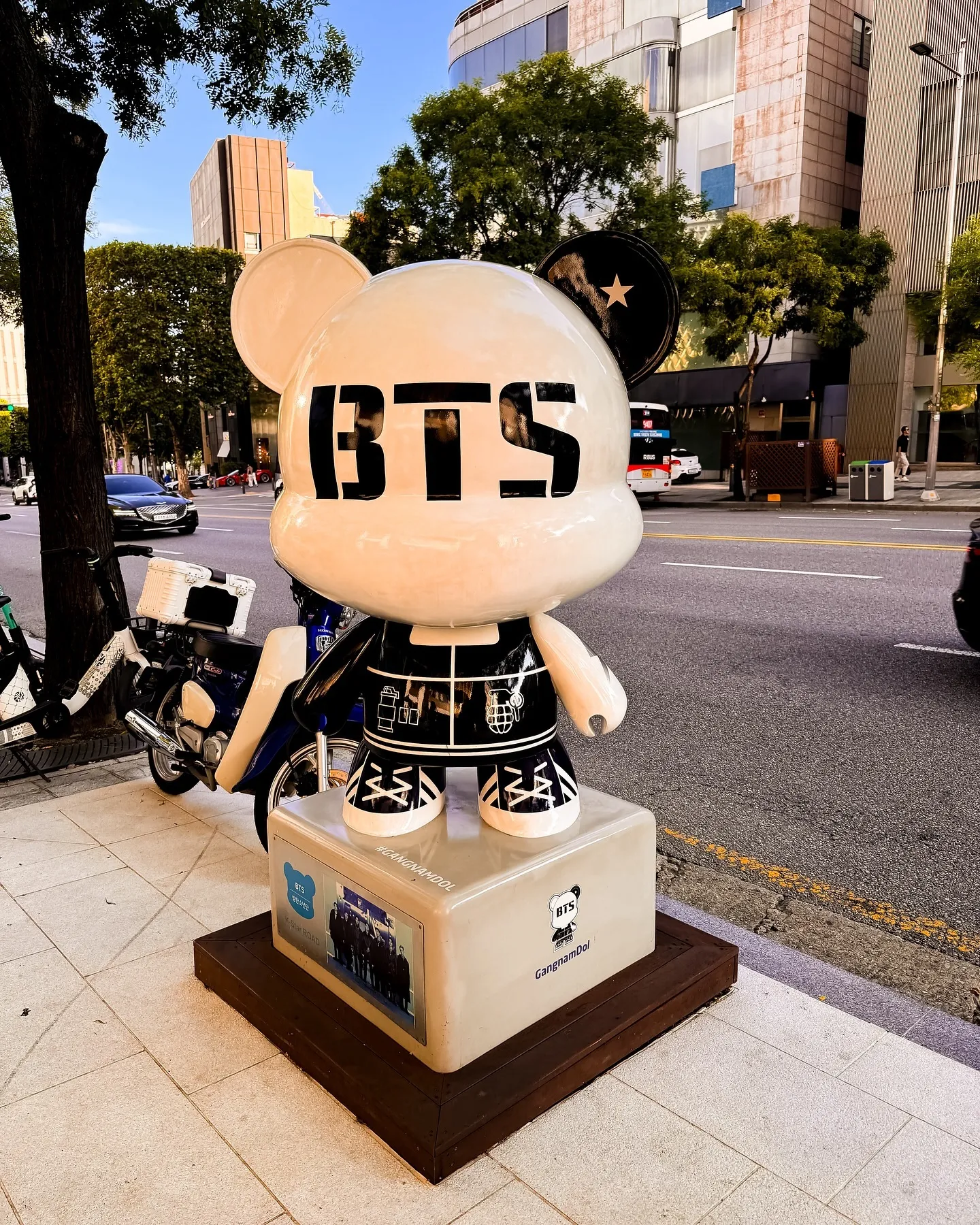
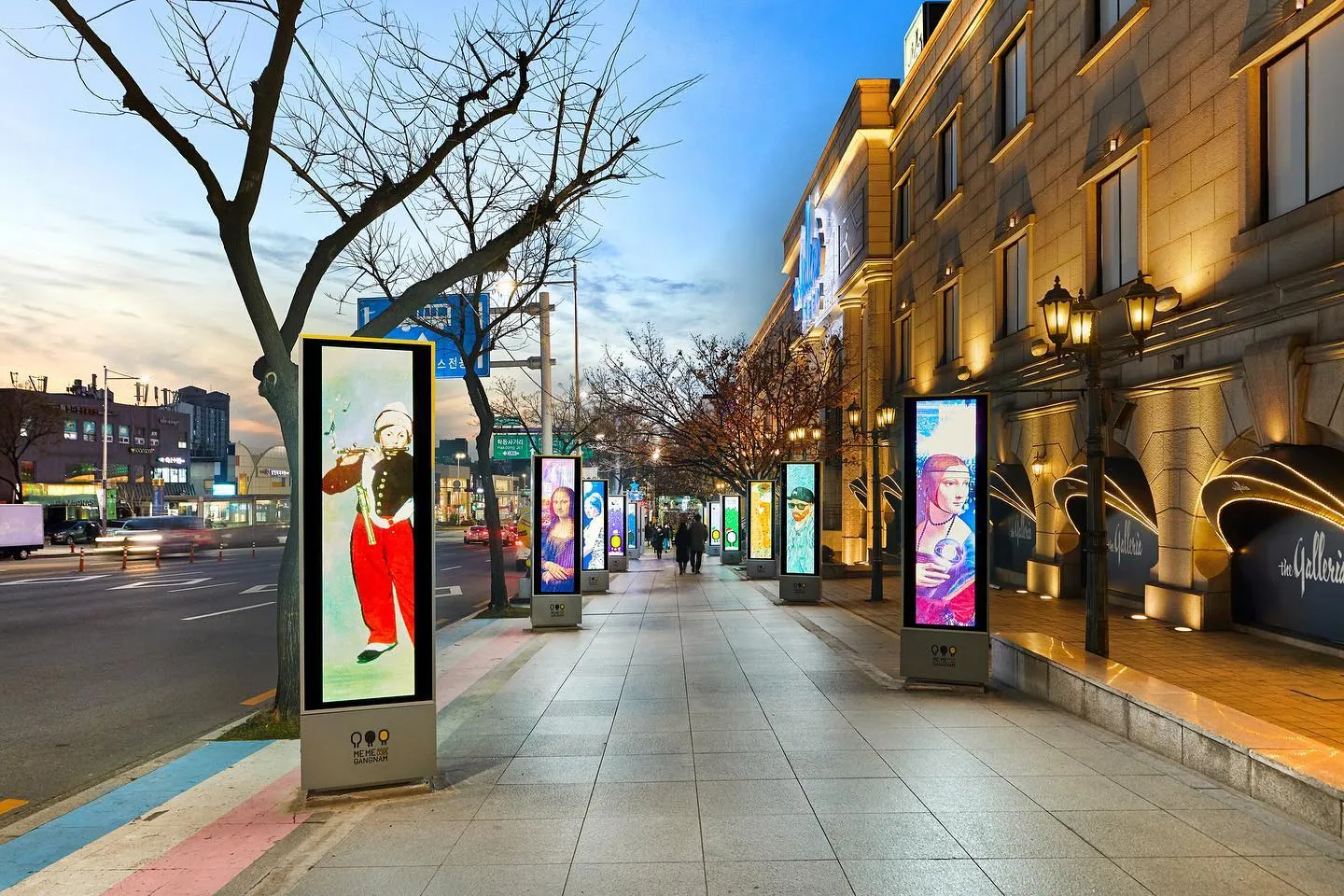
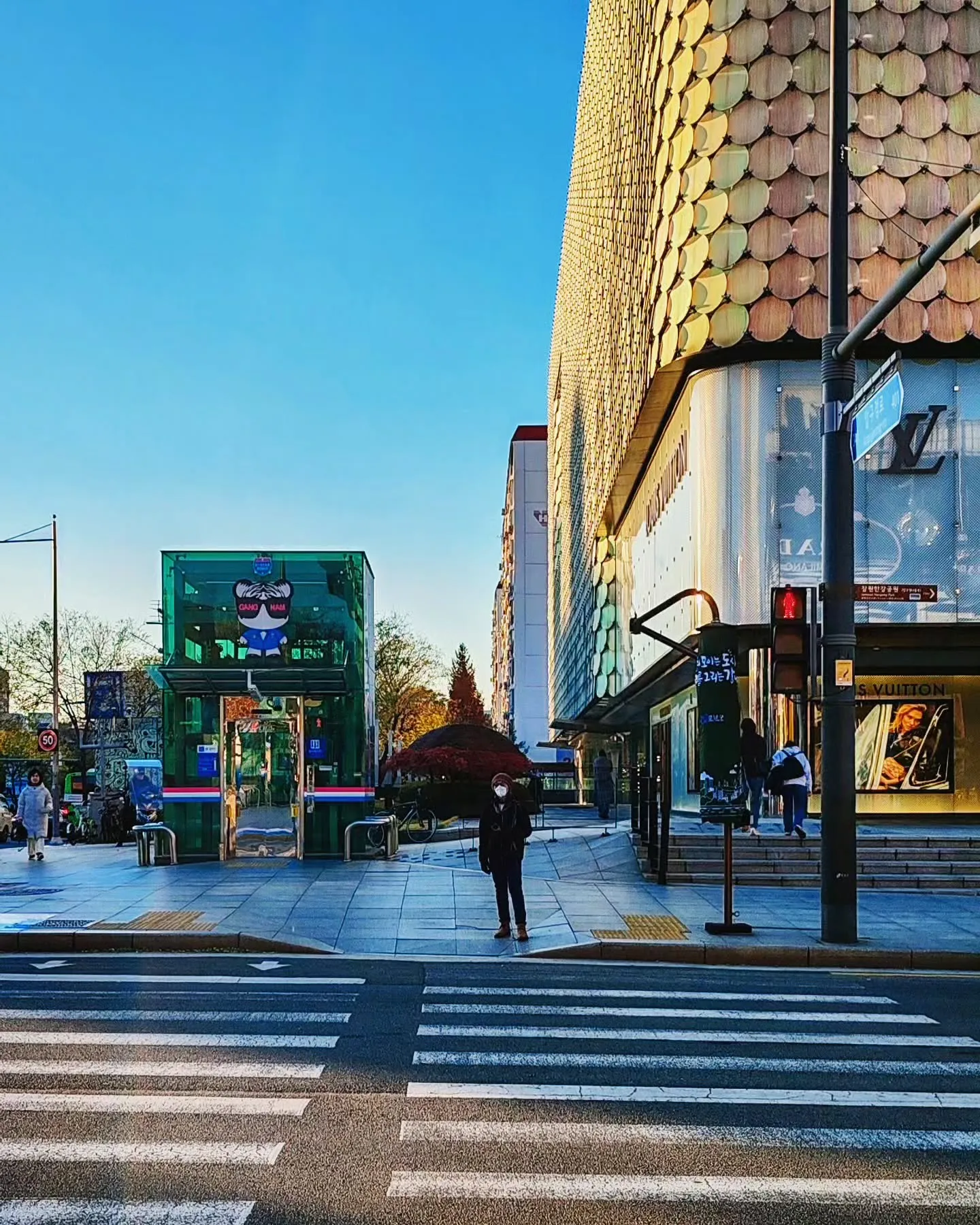
BTS Spots in Seoul - K-Star Road (BTS GangnamDol)
Apgujeong-ro. Official Gangnam-gu street of K-pop GangnamDol statues, BTS included. Free, open all hours; go early for a queue-free photo. Direct on the Suin–Bundang line from Seolleung, ~15 minutes.
📍Address (Google) : 394 Apgujeong-dong, Gangnam-gu, Seoul
📍Address (Naver) : 서울 강남구 압구정동 394
HYBE Headquarters
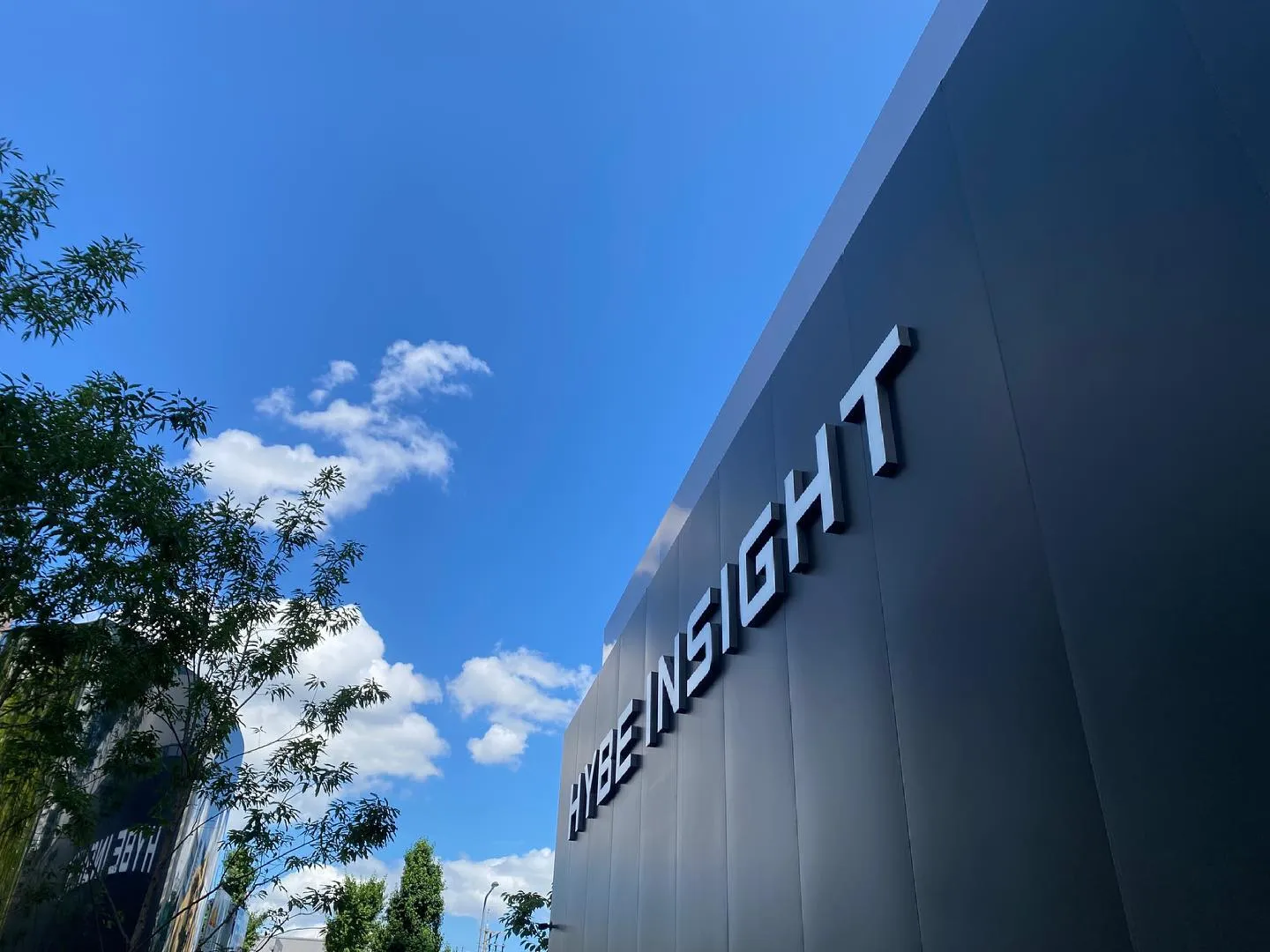

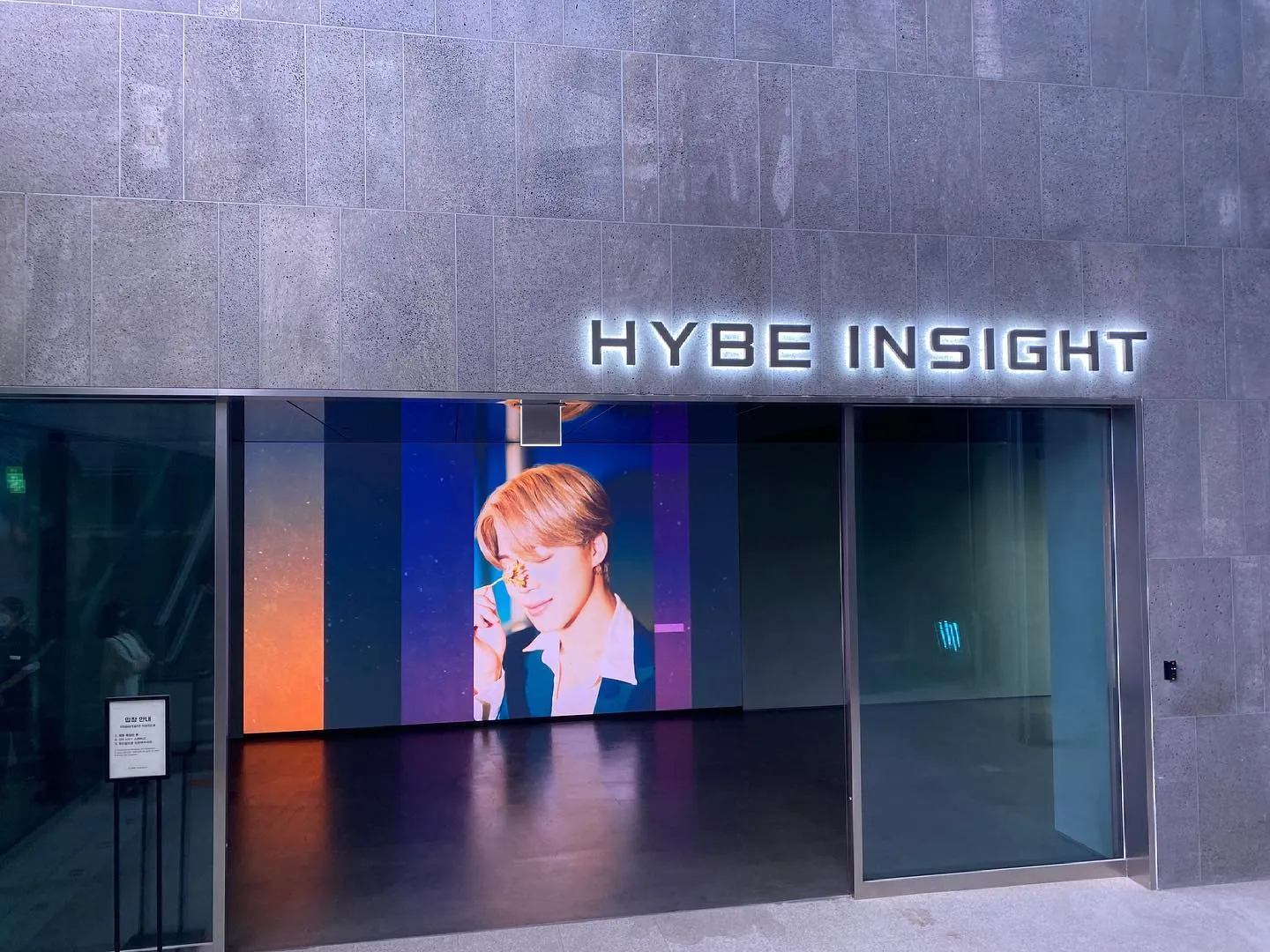
BTS Spots in Seoul - HYBE Headquarters
Yongsan. The exterior photo stop plus a rotating in-house pop-up space opened in 2026 — exhibits change with comebacks, so check HYBE's official channels first. Free outside; ~35–40 minutes by subway.
📍Address (Google) : 42, Hangang-daero, Yongsan-gu, Seoul
📍Address (Naver) : 서울 용산구 한강대로 42
In Her Words 👑
Natasha with the KING STUDIO session team after her DIAMOND recording
After the session, Natasha recorded a video message for future KING STUDIO guests. In it — summarized here with her permission rather than quoted word-for-word — she thanked the staff for the detailed technical support across her three recordings over the past year, said the team's help with the song's beat and timing was decisive for her, and described the studio's atmosphere as friendly, warm, and genuinely comfortable to work in.
KING STUDIO Services — Quick FAQ 💎
Q. What do I get with DIAMOND?
A. Everything in this post: your chosen song, a vocal director running the session, parts tracked idol-style, then pitch/timing correction, mixing, and mastering — the finished master file is yours to take home. Take-home produced recordings begin at this tier.
Q. What is GOLD (Personal Vocal)?
A. A 120-minute session focused on you rather than a finished track: a diagnosis of your range, timbre, and habits, targeted coaching, personalized song and genre recommendations, and a ~30-minute in-booth recording experience. Your take-home deliverable is a PDF Personal Vocal report — the recording is an unedited experience, not a take-home file.
Q. What is PREMIUM?
A. The full DIAMOND experience plus a K-pop music video filmed during your session.
Q. What is the K-Pop Making Class?
A. For groups of 2–15: one song split into idol-style parts, each person directed and recorded on their own lines, then combined into a single track.
Q. How much does it cost?
A. Pricing varies by tier and is kept current on our booking pages — see the complete KING STUDIO recording guide for details on every service.
Book Your Own Session
"Come Over" was one day old when this session happened — whatever BTS releases next, the booth will be ready just as fast. Book your DIAMOND experience via the KING STUDIO recording guide, and tell us your song when you book so we can prepare your key and instrumental in advance.
Which BTS spot is on YOUR Seoul bucket list — Yoojung Sikdang, K-Star Road, or the HYBE building? Tell us in the comments. 💜
➡️ Book your DIAMOND experience now
🎙️ Book your own K-Pop session → Book your DIAMOND experience now
🌐 Visit us: https://kingstudio.co.kr/en
💎 Read more about DIAMOND : kingstudio.co.kr/blog/diamond
📍Address (Google) : B1 52, Samseong-ro 75-gil, Gangnam-gu, Seoul
📍Address (Naver) : 서울시 강남구 삼성로 75길 52 B1
 KING STUDIO
 Booking Inquiry